
Exploring how visual stimuli, like paintings and sculptures, directly affect brain activity reveals fascinating insights. Understanding these responses enhances appreciation and knowledge.
What is Neuroaesthetics?

Neuroaesthetics is a relatively new, interdisciplinary field that seeks to understand the neural basis of aesthetic experiences. It bridges the gap between art, psychology, neuroscience, and even philosophy, attempting to answer fundamental questions about why we find certain things beautiful or moving.
Essentially, it uses tools like fMRI, EEG, and other neuroimaging techniques to observe brain activity while individuals engage with art – viewing paintings, listening to music, or even contemplating architecture. Researchers then correlate these brain responses with subjective reports of aesthetic appreciation.
The goal isn’t to reduce art to mere neurological processes, but rather to gain a deeper understanding of how our brains process and interpret aesthetic information. It explores how universal principles of beauty might be encoded in the brain, and how individual experiences and cultural backgrounds shape our aesthetic preferences. Ultimately, neuroaesthetics aims to illuminate the very nature of aesthetic judgment.

Why Study ‘Your Brain on Art’?
Investigating the neurological effects of art offers profound benefits beyond simply satisfying curiosity. Understanding ‘your brain on art’ can illuminate core cognitive functions, including emotion, perception, and even consciousness itself. Art provides a unique window into these processes, as it consistently evokes strong responses.
Furthermore, this research has implications for fields like art therapy, where understanding how art impacts the brain can lead to more effective treatments for mental health conditions. It can also inform educational practices, helping us design learning environments that maximize engagement and creativity.
Beyond practical applications, studying the brain’s response to art deepens our appreciation for the human experience. It reveals how art isn’t merely a cultural product, but a fundamental aspect of what it means to be human, intrinsically linked to our neurological wiring. Ultimately, it’s about understanding ourselves better through the lens of artistic experience.

The Visual System and Artistic Perception
Artistic images are initially processed by the eyes, then transmitted to the visual cortex. This complex pathway shapes our initial interpretation and aesthetic experience.
How the Eye Processes Art
The journey begins with light reflecting off an artwork, entering the eye and striking the retina. Photoreceptor cells – rods and cones – convert this light into electrical signals. These signals travel through the optic nerve to the lateral geniculate nucleus (LGN) in the thalamus, a crucial relay station. From the LGN, information is forwarded to the primary visual cortex (V1) located in the occipital lobe.
Within V1, basic visual features like edges, lines, and colors are initially detected. Subsequent processing occurs in higher-level visual areas (V2, V3, V4, V5), where more complex aspects like shape, motion, and depth are analyzed. Different areas specialize in processing distinct visual attributes. For instance, V4 is heavily involved in color perception, while V5 processes movement.
Crucially, this isn’t a linear process; there’s constant feedback and interaction between these areas. The brain doesn’t simply ‘see’ – it actively constructs a visual representation based on prior experience and expectations. This construction is fundamental to how we perceive and appreciate art.
Color Theory and Brain Response
Color isn’t merely a physical property of light; it’s a powerful psychological stimulus. Different hues evoke distinct emotional and physiological responses. Warm colors – reds, oranges, and yellows – tend to be stimulating, increasing heart rate and blood pressure, often associated with energy and excitement. Conversely, cool colors – blues, greens, and purples – are generally calming, promoting relaxation and serenity.
Neuroimaging studies reveal that color processing activates areas beyond the visual cortex, including the amygdala (emotional center) and hypothalamus (regulating bodily functions). Specific color combinations can trigger stronger neural responses than others, influencing aesthetic preference. The brain also considers color context; a color’s impact changes depending on surrounding hues.
Artists skillfully manipulate color theory to elicit desired emotional effects. Understanding these neurological underpinnings allows for a deeper appreciation of how color contributes to the overall impact and meaning of an artwork.
Form, Shape, and Neural Pathways
The brain doesn’t just passively receive visual information; it actively constructs our perception of form and shape. Dedicated neural pathways in the visual cortex, particularly in the ventral stream, specialize in processing object recognition. Simple geometric shapes activate primary visual areas, while complex forms engage higher-level processing regions.
Artistic representations of form – whether realistic or abstract – challenge these pathways. Ambiguous or fragmented forms require more cognitive effort to interpret, leading to increased neural activity. The brain attempts to find patterns and meaning, even in seemingly chaotic arrangements. Curvilinear forms often evoke feelings of calmness and harmony, while angular shapes can suggest tension or dynamism.
Furthermore, the spatial relationships between shapes influence perception. Gestalt principles, like proximity and similarity, demonstrate how the brain groups elements together to create unified forms, impacting aesthetic experience.

Emotional Responses to Art
Art powerfully evokes feelings, ranging from joy and serenity to sadness and unease. These responses are deeply rooted in neurological processes, impacting our overall wellbeing.
The Role of the Amygdala
The amygdala, a key structure in the limbic system, plays a crucial role in processing emotions, particularly those related to fear and pleasure. When viewing art, the amygdala’s activity levels fluctuate depending on the artwork’s emotional content. Abstract or unsettling pieces often trigger heightened amygdala responses, signaling potential threat or novelty.

Conversely, aesthetically pleasing and harmonious artworks can activate reward pathways connected to the amygdala, generating feelings of satisfaction and calm. This emotional tagging isn’t simply a passive reception; it’s an active interpretation shaped by personal experiences and cultural context.
Furthermore, the amygdala doesn’t operate in isolation. It interacts extensively with the prefrontal cortex, allowing for a more nuanced emotional appraisal. This interplay explains why we can simultaneously experience conflicting emotions when confronted with complex artwork – a blend of attraction and repulsion, or comfort and unease. Essentially, the amygdala provides the initial emotional ‘coloring’ of our artistic experience.
Dopamine and the Reward System
Dopamine, a neurotransmitter central to the brain’s reward system, is released during pleasurable experiences, including viewing art. This surge isn’t limited to simply ‘liking’ a piece; it’s also associated with anticipation and the seeking of novelty. Art that evokes strong aesthetic feelings activates dopamine pathways, creating a sense of satisfaction and reinforcing the desire for further artistic engagement.
Interestingly, the level of dopamine release isn’t solely determined by the artwork’s objective qualities. Individual preferences, prior experiences, and even the context in which art is viewed all modulate dopamine activity. A piece considered ‘masterful’ by many might elicit a minimal dopamine response in someone unfamiliar with the style or subject matter.
Moreover, dopamine’s role extends beyond immediate pleasure. It’s also involved in learning and memory, suggesting that rewarding artistic experiences can strengthen neural connections and enhance our appreciation for art over time. Ultimately, dopamine highlights art’s capacity to be intrinsically motivating and deeply fulfilling.
Art as a Trigger for Memories and Emotions
Art’s power lies not only in its aesthetic qualities but also in its remarkable ability to unlock deeply personal memories and emotions. Specific artworks can act as potent cues, transporting us back to past experiences, relationships, or even forgotten feelings. This phenomenon stems from the close anatomical connection between brain regions involved in emotional processing – like the amygdala and hippocampus – and those responsible for visual perception.
The emotional resonance of art is highly subjective. A painting depicting a childhood landscape might evoke nostalgia in one viewer, while triggering sadness in another, depending on their individual history. Furthermore, art can allow us to safely explore complex emotions, providing a space for catharsis and self-discovery.
This emotional engagement isn’t merely passive; it actively shapes our interpretation of the artwork. Our memories and feelings color our perception, influencing what we notice, how we interpret symbolism, and ultimately, the meaning we derive from the experience. Therefore, art becomes a mirror reflecting our inner world.

Cognitive Processes Engaged by Art
Art actively stimulates higher-level thinking, demanding interpretation, analysis, and critical evaluation. These mental exercises enhance cognitive flexibility and problem-solving skills.
Attention and Focus in Art Viewing
When we engage with a piece of art, our attentional systems are immediately activated. This isn’t a passive process; rather, it’s a dynamic interplay between bottom-up and top-down attention. Bottom-up attention is driven by the inherent visual features of the artwork – striking colors, unusual compositions, or intricate details – that automatically capture our gaze. Top-down attention, however, is goal-directed, influenced by our prior knowledge, expectations, and personal interests.
Neuroimaging studies reveal increased activity in the frontal and parietal lobes during art viewing, areas crucial for sustained attention and cognitive control. The prefrontal cortex, in particular, plays a role in filtering distractions and maintaining focus on the artwork. Interestingly, the level of engagement and the complexity of the artwork can modulate the intensity of this attentional response. More complex or emotionally resonant pieces often demand greater sustained attention, leading to heightened neural activity in these regions. This focused attention isn’t merely about visual processing; it’s a holistic cognitive state that prepares the brain for deeper interpretation and emotional engagement.
Pattern Recognition and Artistic Style
Our brains are remarkably adept at recognizing patterns, a fundamental cognitive ability crucial for navigating the world. This ability extends powerfully to the realm of art, where we instinctively seek and interpret recurring motifs, compositions, and stylistic elements. Different artistic styles – Impressionism, Cubism, Surrealism, for example – each possess distinct visual signatures, and our brains rapidly categorize and process these patterns.
Neural research demonstrates that the visual cortex, particularly areas like V4 and the inferior temporal cortex, are heavily involved in processing visual patterns and recognizing artistic styles. Exposure to a particular style can actually refine our brain’s ability to quickly identify and categorize artworks within that style. This suggests a form of perceptual learning, where repeated exposure strengthens neural pathways associated with specific artistic features. Furthermore, the brain doesn’t just passively recognize patterns; it actively predicts them, creating expectations that are either confirmed or challenged by the artwork, contributing to our aesthetic experience.
Problem-Solving and Interpretation
Viewing art isn’t a passive experience; it actively engages cognitive processes typically associated with problem-solving. When confronted with an artwork, our brains attempt to decipher its meaning, understand the artist’s intent, and resolve any ambiguities present. This interpretive process requires us to draw upon prior knowledge, cultural context, and personal experiences.
Neuroimaging studies reveal increased activity in the prefrontal cortex – the brain region responsible for higher-level cognitive functions like reasoning and decision-making – during art viewing. This suggests that the brain is actively constructing a narrative or interpretation of the artwork. Ambiguous or abstract art, in particular, demands greater cognitive effort, prompting the brain to explore multiple possibilities and generate hypotheses about the artist’s message. The satisfaction derived from successfully “solving” the puzzle of an artwork may contribute to its aesthetic appeal, activating reward pathways and reinforcing the engagement.
Art and the Default Mode Network
Artistic experiences uniquely activate brain regions linked to self-referential thought and introspection, fostering a state of mindful wandering and personal connection.
Mind-Wandering and Creativity
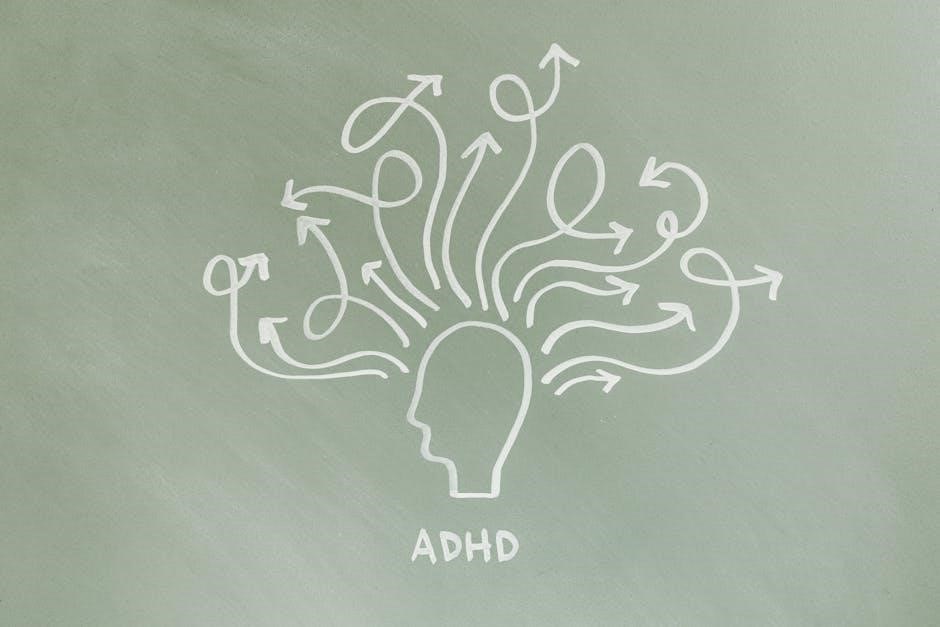
The Default Mode Network (DMN), often associated with mind-wandering, surprisingly plays a crucial role in creative thought processes when engaging with art. It’s not simply about ‘zoning out’; rather, this network facilitates the spontaneous generation of ideas and the flexible association of seemingly unrelated concepts.
When viewing art, the DMN allows the brain to move beyond immediate sensory input and delve into personal memories, emotions, and imagined scenarios. This internal exploration is vital for interpreting artistic meaning and forming unique, subjective responses. The freedom to roam mentally, unconstrained by external demands, fosters divergent thinking – a hallmark of creativity.
Studies suggest that individuals with a more active DMN demonstrate greater creative potential. Art provides a safe and stimulating environment for this network to flourish, encouraging the brain to make novel connections and explore alternative perspectives. This interplay between focused attention on the artwork and spontaneous mind-wandering is key to unlocking creative insights.
Self-Reflection and Artistic Engagement
Art often serves as a powerful catalyst for introspection, prompting viewers to confront their own beliefs, values, and experiences. This process of self-reflection is deeply intertwined with activity within the Default Mode Network (DMN), particularly regions associated with autobiographical memory and social cognition.
Engaging with artwork can evoke personal narratives and emotional resonances, triggering a cascade of internal thoughts and feelings. The ambiguity inherent in many artistic expressions necessitates interpretation, forcing individuals to actively construct meaning based on their unique perspectives. This subjective process fosters a deeper understanding of oneself.
Furthermore, art can provide a safe space to explore complex emotions and challenging life experiences. By observing representations of human struggles and triumphs, viewers may gain new insights into their own emotional landscape. This empathetic connection, facilitated by neural mirroring systems, promotes self-awareness and personal growth, solidifying art’s profound impact.

The Therapeutic Benefits of Art
Artistic expression demonstrably reduces stress, anxiety, and depression. Creative outlets promote emotional release and improve overall mental wellbeing, fostering positive neurological changes.
Art Therapy and Mental Wellbeing
Art therapy, a recognized form of psychotherapy, utilizes the creative process to improve mental and emotional health. It’s founded on the belief that artistic expression can facilitate healing and self-discovery, particularly when verbal communication proves challenging. Sessions are typically led by a registered art therapist who guides individuals through various art-making activities – painting, drawing, sculpting, and collage are common examples.
The therapeutic benefits stem from the non-threatening nature of art. Individuals can explore difficult emotions, traumas, and internal conflicts without the pressure of direct confrontation. The act of creating itself can be incredibly empowering, fostering a sense of control and agency. Furthermore, art provides a tangible outlet for feelings, allowing for externalization and processing.
Neuroimaging studies support these observations, demonstrating that engaging in art therapy can modulate brain activity in regions associated with emotion regulation, stress reduction, and self-awareness. It’s a powerful tool for addressing a wide range of mental health concerns, including anxiety, depression, PTSD, and grief.
Neuroplasticity and Artistic Practice
The brain isn’t static; it possesses remarkable neuroplasticity – the ability to reorganize itself by forming new neural connections throughout life. Artistic practice, consistently engaging in creative activities, profoundly impacts this process, strengthening existing pathways and forging new ones. Learning a new artistic skill, like painting or playing an instrument, demands focused attention and motor coordination, stimulating brain regions responsible for these functions.
Repeated engagement leads to increased grey matter volume in areas associated with creativity, problem-solving, and emotional processing; This isn’t limited to professional artists; even recreational art-making can yield neuroplastic benefits. The challenges inherent in artistic creation – interpreting visual information, making aesthetic judgments, and translating ideas into tangible forms – actively exercise cognitive abilities.
Moreover, the rewarding nature of artistic expression triggers dopamine release, further reinforcing neural connections and promoting learning. Essentially, artistic practice acts as a form of ‘brain training,’ enhancing cognitive function and resilience, and potentially mitigating age-related cognitive decline.